
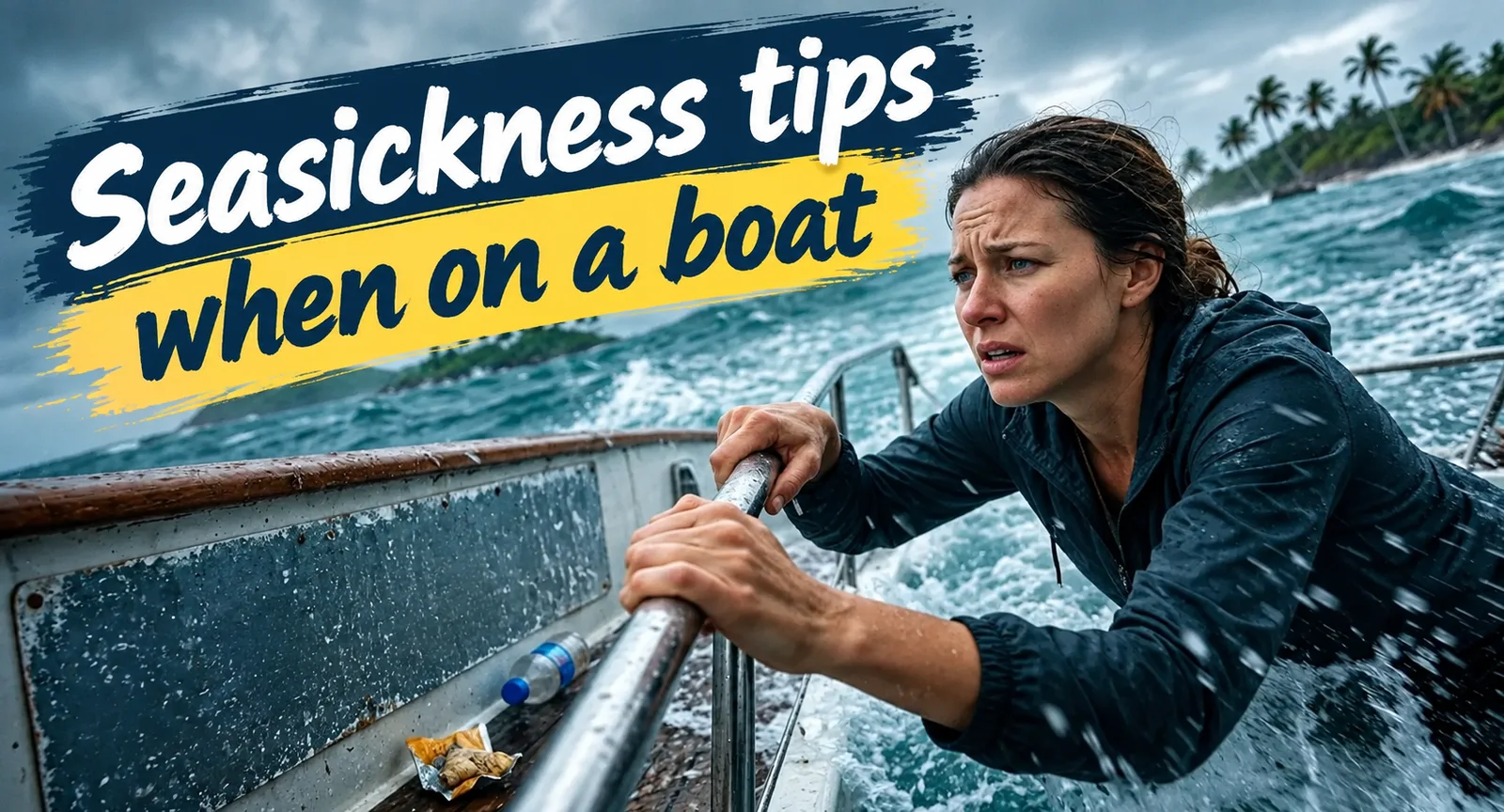
Exploring the Bahamas by boat is one of the best ways to experience the islands’ turquoise waters, secluded beaches, colorful coral reefs, and marine wildlife. From snorkeling excursions and island-hopping adventures to fishing trips and scenic cruises, boat tours offer access to places that are difficult to reach by land. However, even the most exciting day on the water can become uncomfortable if seasickness develops.
Seasickness is a form of motion sickness that occurs when the brain receives conflicting information from the eyes, inner ears, and other sensory systems responsible for balance. The movement of a boat can trigger symptoms such as nausea, dizziness, sweating, fatigue, and vomiting. These symptoms can affect experienced travelers as well as people taking their first ocean excursion.
Fortunately, a few practical preparations can help make a boat trip more comfortable. Choosing the right seat, eating appropriately before departure, staying hydrated, and understanding how to respond to early symptoms can all make a difference.
Whether you are planning a short snorkeling excursion near Nassau or a longer trip to one of the surrounding islands, knowing how to manage seasickness can help you enjoy more of your time on the water.
Understand What Causes Seasickness
Before choosing a prevention strategy, it helps to understand why seasickness happens.
Your inner ears contain structures that help detect movement and maintain balance. Your eyes also provide information about your position and movement in relation to your surroundings. When you are aboard a moving boat, these systems may send conflicting signals to your brain.
For example, if you are sitting inside a cabin looking at a stationary phone, your eyes may tell your brain that you are not moving. Meanwhile, your inner ears detect the boat rising, falling, and rolling with the waves. This mismatch can contribute to motion sickness.
The risk varies depending on several factors, including sea conditions, the size and movement of the boat, the length of the trip, and individual sensitivity.
Some passengers feel perfectly comfortable on calm water but become nauseated when waves increase. Others experience symptoms even during relatively short journeys. Previous experience does not guarantee that you will never become seasick.
Certain activities can also make symptoms more likely. Reading, looking down at a screen, sitting in a poorly ventilated area, and focusing on nearby objects may make it harder for your sensory systems to adapt to the boat’s movement.
Understanding these triggers allows you to make more informed decisions before and during your excursion.
Choose the Right Boat and Seating Position
Your choice of boat and where you sit can significantly affect how much motion you experience.
Different vessels respond differently to waves. A large passenger boat may feel more stable than a small motorboat in some conditions, although size alone does not guarantee a smoother ride. Hull design, speed, weather, and the direction of the waves all influence how a vessel moves.
When booking a Bahamas excursion, consider asking the operator about the boat type, approximate journey length, available seating, and typical conditions for the planned route.
Sit Near the Center of the Boat
If you are prone to motion sickness, a seat near the middle of the vessel is often a good choice. The front and rear sections may move more noticeably as the boat rises and falls over waves.
On many boats, the central area experiences less pitching than the bow. However, the exact experience depends on the vessel’s design and how it moves through the water.
If seating is assigned, ask whether a central seat is available. If passengers can choose their own positions, try to settle into a comfortable location early rather than moving around while the boat is underway.
Stay Where You Can See the Horizon
Being able to see the horizon may help your brain reconcile the movement detected by your inner ears with the visual information around you.
An outdoor seat with a clear forward view can be useful for this reason. If you must remain inside, choose a seat near a window where you can see the surrounding water and distant horizon.
Avoid spending long periods looking down at a phone, reading a book, or watching videos. These activities may intensify the sensory mismatch that contributes to nausea.
Consider the Vessel’s Movement
Some boats offer a smoother experience than others under particular conditions. If you have a history of severe seasickness, ask the operator whether a more stable vessel or a shorter route is available.
Do not assume that a speedboat is automatically worse or that a catamaran is always motionless. Each boat behaves differently depending on its design and the sea state.
The goal is to choose a trip that matches your comfort level rather than simply selecting the fastest or most adventurous option.
Eat Carefully Before Your Bahamas Boat Tour
What you eat before boarding can influence how comfortable you feel during the journey.
Going on a boat tour with an extremely full stomach may be uncomfortable, especially if the water is choppy. However, traveling while very hungry can also leave some people feeling unwell.
A sensible approach is to eat a light, familiar meal before departure. Choose foods that you usually tolerate well and avoid experimenting with unfamiliar dishes immediately before your excursion.
Good options may include toast, crackers, oatmeal, a banana, or another simple breakfast that agrees with you. The ideal choice depends on your personal preferences and any dietary requirements.
Avoid Heavy Meals Before Departure
Large meals that are high in fat may sit heavily in your stomach. Greasy foods can be particularly unappealing if nausea develops later.
If your tour begins early in the morning, consider having a modest breakfast rather than skipping food entirely or eating a large meal immediately before boarding.
Allow enough time for your stomach to settle before the boat leaves when possible. There is no single waiting period that works for everyone, so pay attention to your own experience.
Be Careful With Alcohol
Alcohol can worsen dizziness and nausea for some people. It may also contribute to dehydration, which can make an uncomfortable boat trip more difficult.
Avoid drinking alcohol before the excursion, particularly if you already know that you are sensitive to motion. If your tour includes drinks, consider waiting until the boat is docked or the journey is over.
Heavy meals, excessive alcohol, and unfamiliar foods are generally poor choices immediately before a trip when you are concerned about seasickness.
Stay Hydrated Throughout the Journey
The tropical climate of the Bahamas can make hydration especially important. Warm temperatures, direct sunlight, and physical activity during snorkeling or swimming can increase your need for fluids.
Dehydration may contribute to headaches, weakness, dizziness, and fatigue, which can overlap with symptoms of seasickness.
Drink water before departure and continue taking small, regular sips throughout the excursion. If you feel nauseated, drinking a large amount all at once may be difficult, so smaller amounts may be easier to tolerate.
Avoid relying on alcohol or excessive caffeine as substitutes for water. Caffeine affects people differently, but large amounts may cause unwanted symptoms such as jitteriness or stomach discomfort.
If you are taking part in a longer trip, bring drinking water if the operator permits it and confirm whether refreshments are provided.
Be Mindful of the Sun
Heat and direct sunlight can make an already uncomfortable experience more difficult. Use sunscreen, wear suitable clothing, and take advantage of shade when available.
A wide-brimmed hat and lightweight clothing may help reduce heat exposure. However, make sure your hat is secure enough for windy conditions.
If you begin feeling unusually hot, weak, or lightheaded, tell a crew member and move to a cooler, shaded area if it is safe to do so. These symptoms should not automatically be attributed to seasickness, particularly in hot weather.
Know Which Seasickness Tips Work Best Before Departure
Preparation is often easier than trying to manage strong nausea once the boat is moving. If you are concerned about becoming seasick, it is worth reviewing your options before the day of the excursion.
Travelers searching for seasickness tips boat tour advice should focus on practical measures that can be started before boarding and continued throughout the trip. Simple changes, such as choosing an appropriate seat and avoiding screen use, can help some people. Others may benefit from discussing preventive medication with a pharmacist or healthcare professional.
The best approach depends on your history of motion sickness, the length of the trip, your medical circumstances, and any medications you already take.
Consider Motion Sickness Medication
Several medicines are used to prevent or treat motion sickness. Some work best when taken before travel, rather than after symptoms become severe.
Examples include dimenhydrinate and meclizine, where available and appropriate. Scopolamine is another option that may be prescribed or supplied under specific medical guidance, depending on the country.
These medicines are not suitable for everyone. Some can cause drowsiness, blurred vision, dry mouth, or other side effects. They may also interact with other medicines or be inappropriate for people with certain health conditions.
Read the product instructions carefully and ask a pharmacist or healthcare professional which option is appropriate for you. If you plan to use a medicine for the first time, discussing it before your vacation is preferable to experimenting just before a boat excursion.
Do not combine motion sickness medicines or take more than the recommended amount unless a qualified healthcare professional specifically advises you to do so. Avoid driving or other activities requiring alertness if your medication causes drowsiness.
Explore Non-Medication Options
Some travelers prefer to begin with non-medication strategies. These may include sitting where the horizon is visible, minimizing screen use, getting fresh air, and keeping your head relatively still.
Ginger is commonly used by some people for nausea, although scientific evidence for preventing motion sickness is mixed. It may be available in food, tea, or supplement form. Supplements can still have side effects and interactions, so ask a healthcare professional if you have medical concerns or take other medicines.
Acupressure wristbands are another popular option. They apply pressure to a point on the wrist, but evidence that they consistently prevent motion sickness is limited. They may be worth considering as a personal comfort measure, provided you do not rely on them as a guaranteed solution.
No single technique works for everyone. For travelers with a history of significant seasickness, combining practical measures with appropriate professional advice may be more useful than relying on one remedy.
Recognize Early Symptoms and Respond Quickly
Seasickness often begins with subtle changes before progressing to more severe nausea. Recognizing these early signs gives you an opportunity to respond before symptoms become difficult to manage.
Possible early symptoms include:
- Repeated yawning or unusual tiredness.
- Increased saliva production.
- Feeling warm or suddenly sweating.
- Mild dizziness or a sense of imbalance.
- Stomach discomfort or nausea.
- Headache or difficulty concentrating.
If you notice these signs, stop looking at your phone or reading. Move your attention toward the horizon and try to keep your head still. If it is safe, get fresh air and sit in a stable position.
Avoid sudden movements, and tell a crew member that you are feeling unwell. The crew may be able to help you find a more comfortable seat or identify a suitable place to rest.
If you need to vomit, use the arrangements provided by the operator rather than leaning dangerously over the side of the boat. Safety should always take priority over trying to remain in a particular position.
Do not feel embarrassed about telling the crew. Motion sickness is common, and an experienced operator should be familiar with passengers who need assistance.
Keep Yourself Comfortable During the Trip
Even when you prepare carefully, conditions on the water can change. Waves may increase, the boat may change direction, or a longer crossing may expose you to more movement than expected.
Small adjustments can help you manage discomfort throughout the excursion.
Limit Screen Time
Reading messages, scrolling through social media, or taking extended videos while the boat is moving can make nausea worse for some people.
If you want photographs of the Bahamas, take them when you feel comfortable and return your attention to the horizon between shots. Consider keeping your phone in a pocket or bag during the roughest part of the journey.
Breathe Slowly and Stay Relaxed
Anxiety about becoming seasick can make the experience feel more distressing. Try breathing slowly and comfortably while maintaining a view of the horizon.
There is no need to force unusually deep breaths. Instead, aim for a steady breathing pattern and relax your shoulders.
If you begin to feel overwhelmed, let a companion or crew member know. Sitting quietly in a comfortable position may be more helpful than trying to push through the discomfort.
Get Fresh Air When Safe
A stuffy cabin or strong odors can make nausea more unpleasant. If the boat has a designated outdoor area, fresh air may help you feel more comfortable.
Follow all crew instructions and remain within permitted passenger areas. Do not move to the bow, stern, or an exposed deck simply because you think it will feel better. The safest location depends on the vessel and current conditions.
Choose the Right Tour Length and Route
Not every Bahamas boat excursion involves the same amount of time on the water. A short cruise near Nassau may be very different from a longer journey to a distant island or a full-day fishing trip.
If you are new to boat travel or have experienced severe motion sickness in the past, consider starting with a shorter excursion. This gives you an opportunity to learn how your body responds before committing to a longer journey.
Ask tour operators about the total time spent traveling by boat, not just the advertised duration of the activity. A six-hour snorkeling excursion, for example, may involve considerably less time underway than a six-hour transfer between islands.
You should also ask about the usual route and whether the itinerary changes with weather conditions. Operators may adjust departure times, routes, or activities to account for wind and sea conditions.
Do not assume that calm weather on shore guarantees calm water offshore. Conditions can differ between sheltered harbors and more exposed stretches of ocean.
Choose a reputable operator that explains its safety procedures and is willing to discuss your concerns. A company that answers questions clearly can help you decide whether a particular excursion is suitable for your comfort level.
Prepare a Small Seasickness Kit
A few basic items can make it easier to respond if you begin feeling unwell.
Consider bringing:
- Drinking water.
- A small supply of plain crackers or another familiar snack.
- Any motion sickness medicine you have selected with appropriate professional guidance.
- Tissues and a small bag for personal comfort.
- Sunscreen and a hat.
- A light layer of clothing in case the wind makes the ride cooler.
- A reusable bag for storing items you do not want exposed to splashes.
Keep essential items somewhere accessible rather than buried at the bottom of a large beach bag. If you become nauseated, you may not want to spend time searching for water or medication.
Check with the operator about restrictions on personal bags, food, and drinks. Some boats have limited storage space, and keeping the deck clear helps prevent tripping hazards.
If you are traveling with children, prepare according to their individual needs and ask a pediatric healthcare professional about suitable motion sickness treatments before departure. Never assume that an adult medication or dosage is appropriate for a child.
Know When Seasickness Requires Additional Attention
Most cases of seasickness improve when the motion stops, although symptoms may take time to settle. Resting in a comfortable place and gradually returning to normal activities may help.
However, not every episode of nausea or dizziness is caused by motion sickness. Heat illness, dehydration, food-related illness, and other medical problems can produce similar symptoms.
Tell the crew promptly if you feel very unwell, especially if you cannot keep fluids down or your symptoms are worsening.
Seek urgent medical attention for warning signs such as fainting, confusion, severe headache, chest pain, difficulty breathing, weakness on one side of the body, or persistent vomiting with signs of significant dehydration. These symptoms should not be dismissed as ordinary seasickness.
If you have a medical condition that affects balance or fluid regulation, or if you take medication that can cause dizziness or drowsiness, discuss the planned excursion and possible preventive treatments with your healthcare professional beforehand.
Travelers who have previously experienced severe motion sickness should make a plan before departure rather than waiting until they are already struggling on the water.
FAQs
What is the best way to prevent seasickness on a Bahamas boat tour?
There is no single method that works for everyone. Sitting near the center of the boat, looking at the horizon, avoiding prolonged screen use, eating a light meal, and staying hydrated may help. If you are prone to significant motion sickness, ask a pharmacist or healthcare professional about preventive medication before the trip.
Should I eat before going on a boat tour?
A light, familiar meal is often a sensible choice. Avoid boarding with an extremely full stomach, but do not assume that skipping food is the best option. Choose foods you tolerate well and drink water regularly.
Is the front or back of a boat better for seasickness?
The center of the boat is often a better starting point because the bow and stern may experience more noticeable pitching. The best position depends on the vessel’s design and sea conditions, so ask the crew if you are unsure.
Can I take seasickness medication before my tour?
Some motion sickness medicines work best when taken before travel. However, the appropriate medicine and timing depend on the product, your health, and other medications you take. Follow the label and consult a pharmacist or healthcare professional, particularly if you have existing medical conditions.
Does ginger prevent seasickness?
Some people use ginger to manage nausea, but evidence that it reliably prevents motion sickness is mixed. It should not be considered a guaranteed solution. Ask a healthcare professional before using supplements if you take medication or have relevant medical conditions.
Are catamarans better for people who get seasick?
Some passengers find certain catamarans more comfortable, but no vessel is guaranteed to prevent seasickness. The boat’s design, route, speed, and weather conditions all influence its movement. Ask the operator about the specific vessel and typical conditions.
What should I do if I become seasick during the tour?
Stop looking at screens, focus on the horizon, keep your head relatively still, and seek fresh air if it is safe. Inform a crew member so they can help you find a suitable place to rest. If symptoms are severe or unusual, request assistance promptly.
Can children get seasick on Bahamas boat tours?
Yes. Children can experience motion sickness, and their symptoms may include nausea, pallor, dizziness, and vomiting. Choose an appropriate trip length, bring familiar snacks and water, and consult a pediatric healthcare professional before using medication.
Conclusion
Seasickness does not have to prevent you from enjoying the Bahamas by boat. With thoughtful preparation, you can reduce some common triggers and make it easier to respond if discomfort develops.
Start by selecting an excursion that suits your experience and comfort level. Ask about the vessel, route, and time spent traveling, then prepare with a light meal, adequate water, suitable sun protection, and any preventive measures recommended for you.
During the journey, choose a comfortable seating position, look toward the horizon, limit screen use, and tell the crew if you begin to feel unwell. If you are prone to severe symptoms, discuss appropriate medication with a healthcare professional before your trip.
Most importantly, prioritize safety and listen to your body. The Bahamas offers extraordinary coastal scenery and marine experiences, and a little preparation can help you focus more on the turquoise water, beautiful islands, and memorable moments that make a boat tour worthwhile.