
Each year, the same advice resurfaces about protecting your brain as you age: do crossword puzzles, download brain-training apps, challenge your memory daily. The assumption is simple and appealing — if you keep your mind busy with mental drills, you can outsmart cognitive decline.
But science tells a more complicated story.
Cognitive resilience is not built through isolated mental exercises alone. While crossword puzzles and brain games may improve performance on the specific tasks being practiced, research shows limited evidence that those gains translate into long-term protection against age-related cognitive decline. In other words, getting better at word recall on an app does not necessarily mean you are strengthening the biological systems that keep the brain healthy over decades.
Increasingly, researchers are pointing toward a broader model. A review published in the American Journal of Lifestyle Medicine highlights that multidomain lifestyle interventions — including physical activity, metabolic health, sleep quality, stress regulation, and social engagement — are more strongly associated with sustained cognitive function than single interventions alone. The evidence suggests that protecting the brain is less about mental gymnastics and more about supporting the systems that allow the brain to function efficiently over time.
Physical movement, in particular, plays a critical role. Aerobic exercise has been linked to improved blood flow to the brain, enhanced neuroplasticity, and better executive function in midlife and older adults. Consistent movement engages cardiovascular, metabolic, and nervous system processes simultaneously — a far more comprehensive stimulus than isolated mental drills. A large body of research also underscores the importance of sleep in maintaining cognitive performance, noting that disrupted sleep is associated with increased risk of cognitive decline and impaired memory consolidation.
This broader understanding challenges a long-standing cultural myth: that brain health can be compartmentalized.
Scott Blossom, L.Ac., founder of Doctor Blossom and an integrative cognitive health practitioner, approaches cognitive resilience as a systems issue rather than a task-based one. In his clinical work, he emphasizes that long-term brain protection is shaped far more by movement, metabolic balance, emotional regulation, and meaningful connection than by mental exercises alone. As he puts it, “It’s not about clever tricks—it’s about how flexible and supported the nervous system is, day in and day out.”
That distinction matters.
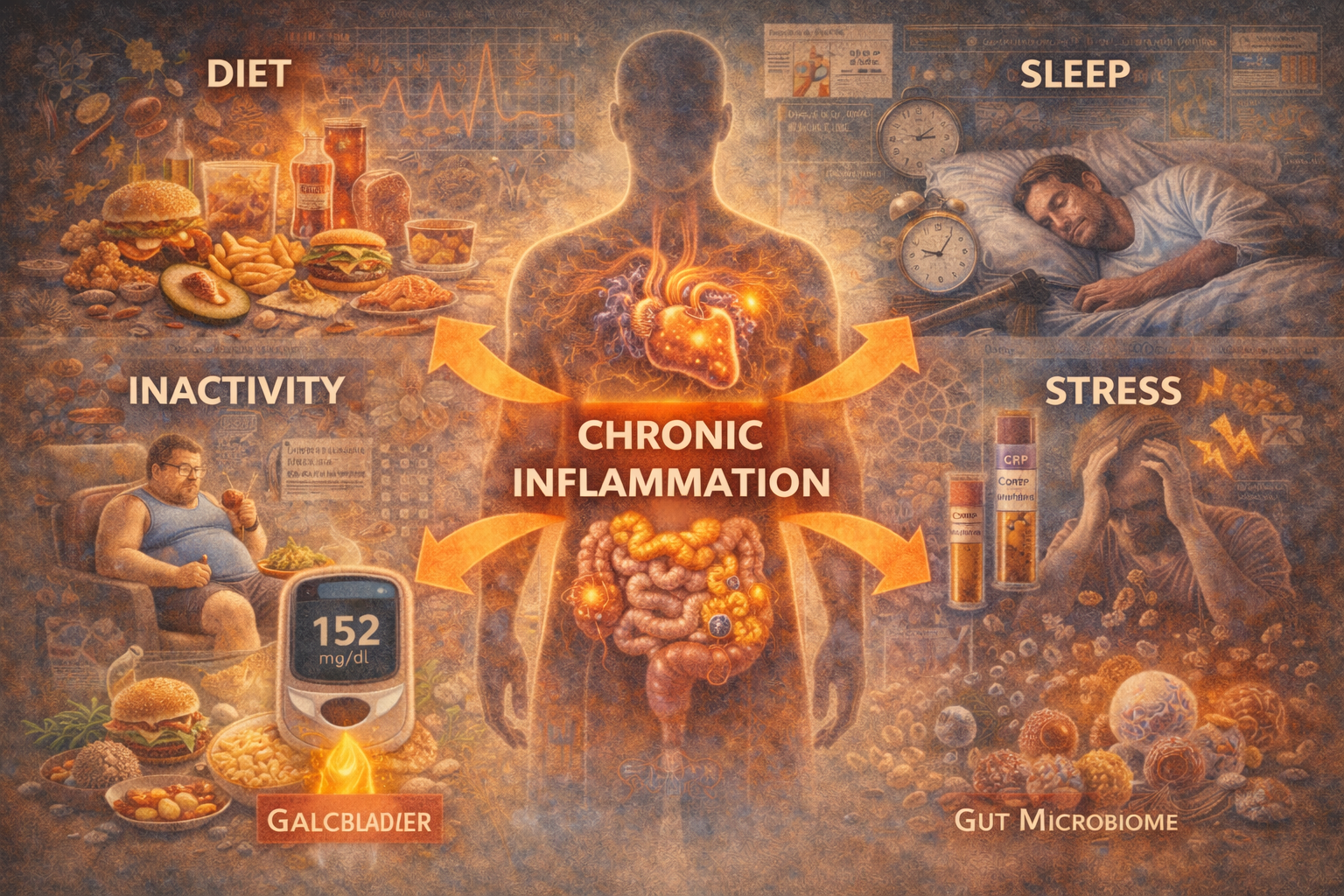
The brain does not operate independently from the body. Blood sugar regulation influences cognitive clarity. Chronic stress alters hormonal pathways that affect memory and focus. Inflammation, sleep disruption, and prolonged nervous system overload can gradually erode cognitive performance long before overt symptoms appear. When these factors accumulate, subtle changes in processing speed, decision-making, and emotional regulation may emerge — often dismissed as “normal aging.”
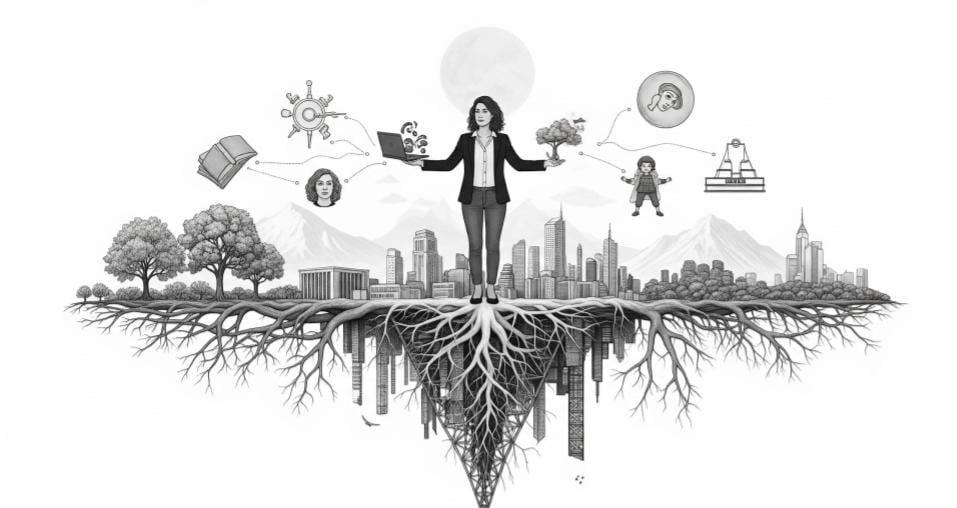
What actually protects the brain, according to emerging research, is consistency across domains. Regular physical activity supports vascular and metabolic health. Stable sleep-wake rhythms help maintain neural repair and memory consolidation. Emotional resilience buffers the cognitive impact of chronic stress. Strong social ties provide dynamic stimulation that no app can replicate.
This does not mean crossword puzzles are useless. Mental engagement remains part of a healthy cognitive lifestyle. But they are only one small component of a much larger equation.
The more accurate question is not whether you are keeping your brain busy, but whether you are keeping your nervous system adaptable.
As longevity increases, the goal is not simply to live longer but to preserve clarity, judgment, and emotional balance throughout those years. That requires a shift in perspective — away from quick cognitive tricks and toward sustained lifestyle patterns that nourish the brain’s underlying biology.
Your brain is aging. The real protection lies not in clever puzzles, but in how you move, sleep, connect, and regulate stress every day.